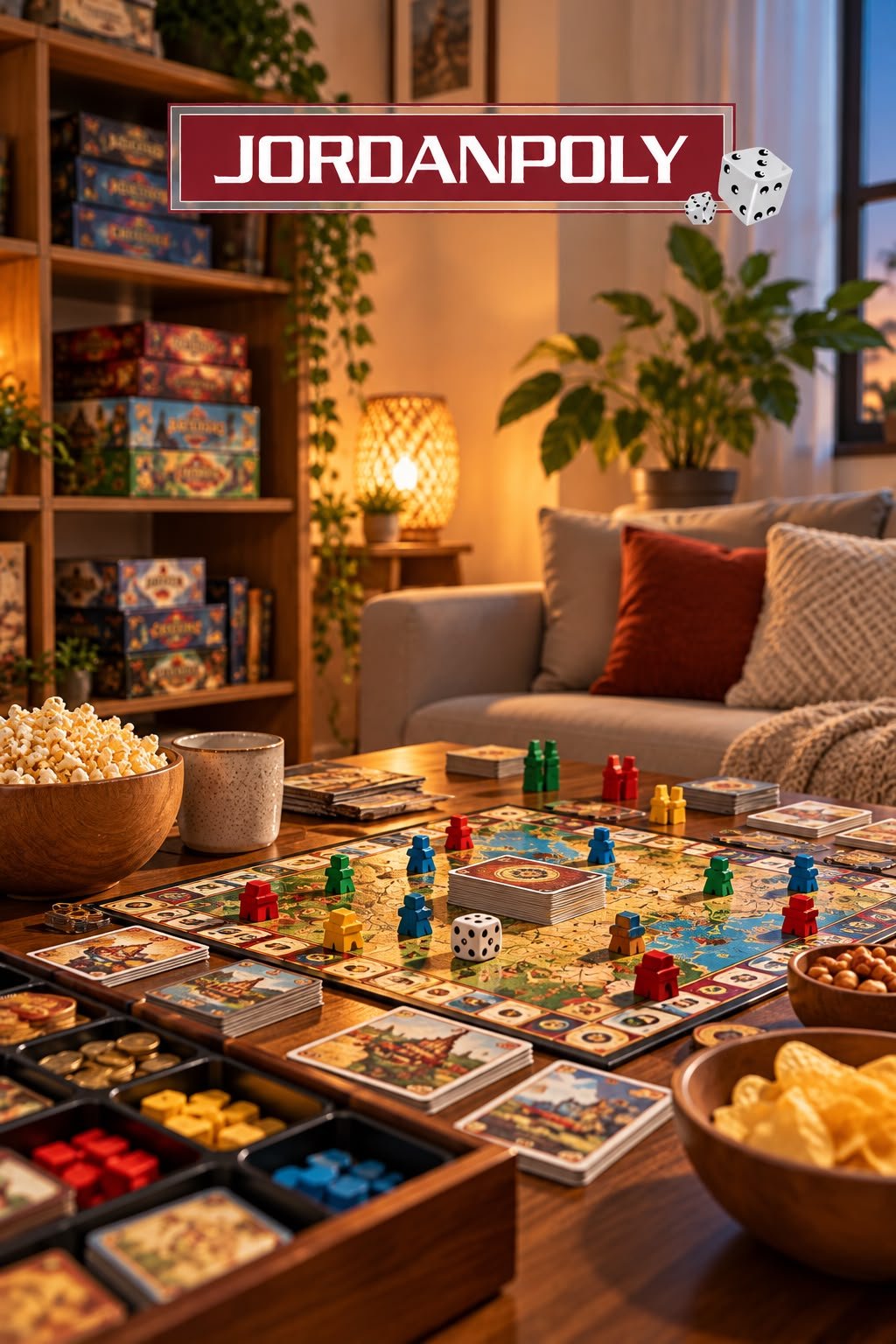
A good social gathering does not always need a complicated schedule or expensive entertainment. Sometimes, one well-chosen board game is enough to help guests relax, start conversations, and share memorable moments. However, the best game for a quiet family evening may not suit a lively party with a large group. To choose well, think about who is coming, how much time you have, and whether your guests prefer teamwork, friendly competition, quick challenges, or creative play.
Start with the Type of Gathering
- Family gathering: Choose games with clear rules, flexible difficulty, and options for different ages. Short rounds help younger players stay involved.
- Friends’ night: Consider games that encourage conversation, humour, bluffing, creative answers, or friendly competition, depending on the group.
- Birthday party: Look for games that are easy to explain and allow people to join without waiting too long for a turn.
- Work or team event: Cooperative challenges and simple team-based games may encourage communication without putting too much pressure on individuals.
- Holiday celebration: Choose activities that can be played in short rounds and suit a mix of guests who may not know one another well.
- Small dinner gathering: A compact game with a quick setup can be a good option after a meal, especially if table space is limited.
Match the Game to the Number of Guests
- For two to four players: Many traditional strategy and family games work well with a small group where everyone stays involved.
- For five to six players: Check the official player count and playing time. Some games become slower as more people join.
- For a larger group: Consider party games, team formats, or games where several people can participate at once.
- For a changing group: Choose a game that allows people to join between rounds rather than requiring everyone to stay for a long session.
- Avoid long waits: If players spend most of the game waiting, choose a faster or more simultaneous format.
- Plan for spectators: A game with easy-to-follow rounds can keep guests interested even when they are not playing.
Consider Age, Experience, and Accessibility
- Check age recommendations: Use the manufacturer’s guidance as a starting point, then consider the actual abilities and preferences of your guests.
- Choose understandable rules: If guests have different levels of gaming experience, a simple objective and short explanation are usually a safe choice.
- Think about reading requirements: Games that rely heavily on text may be less suitable for guests who prefer visual or spoken instructions.
- Consider visual and physical needs: Check whether the game depends on small pieces, colour distinctions, quick reactions, or fine motor movements.
- Offer a practice round: A quick demonstration helps first-time players understand what to do without feeling judged.
- Pair players into teams: Teams make complex games more approachable and allow people with different strengths to contribute.
- Keep the atmosphere welcoming: Avoid games that depend on embarrassing a guest or revealing personal information unless everyone has agreed to that style.
Choose the Right Playing Time
- Under 15 minutes: Quick games are useful as icebreakers, between activities, or while guests are arriving.
- 15 to 30 minutes: This range often suits casual gatherings because it gives the group time to get involved without taking over the event.
- 30 to 60 minutes: A longer game can work when everyone has agreed to focus on one activity and has enough time.
- More than an hour: Reserve long games for groups that enjoy deeper strategy and are comfortable committing to a longer session.
- Check setup time: A game described as short may still need time for sorting components, explaining rules, and packing everything away.
- Have a backup option: Keep a quick alternative ready in case the first game is too complicated or the group wants to change activities.
Match the Game Style to the Mood
- For laughter and energy: Look for games built around quick prompts, creative responses, or light competition.
- For teamwork: Choose cooperative games where players work toward a shared goal rather than competing against one another.
- For strategy lovers: Select games with planning, resource management, deduction, or tactical decisions—but make sure the group wants a challenge.
- For conversation: Games with storytelling, guessing, or open-ended prompts can help guests get to know one another.
- For mixed personalities: A balance of luck, accessible choices, and short turns may be more comfortable than a game that rewards only experienced players.
- For a relaxed evening: Choose something with flexible pacing and rules that can be explained without constantly interrupting conversation.
A Practical Checklist Before You Buy or Set Up a Game
- Confirm the player count: Make sure the game supports the number of people who will participate.
- Estimate the total time: Include setup, rule explanation, and any extra rounds.
- Check the age range: Consider the youngest and oldest players’ needs and preferences.
- Read the rules summary: Know the objective and how a typical turn works before presenting the game.
- Check the space required: Ensure there is enough table room for the board, cards, pieces, and refreshments.
- Consider the noise level: A loud, fast-paced game may not suit a quiet dinner or shared space.
- Consider late arrivals: Games with clear round boundaries are helpful when guests arrive late or leave early.
- Check the components: Make sure all cards, tokens, dice, and instructions are available.
- Consider replay value: Different challenges or outcomes may be useful if you host gatherings regularly.
- Choose for the group: The best choice is one your guests are likely to enjoy together, not simply the one you personally prefer.
How to Host a Smooth Game Session
- Explain the goal first: Tell guests what they are trying to achieve before describing every detail of the rules.
- Demonstrate one turn: Showing an example is often easier than giving a long verbal explanation.
- Agree on the rules: Clarify any house rules before the game starts to avoid disagreements later.
- Keep teams balanced: Mix experience levels when teams are used so everyone has a chance to contribute.
- Make space for newcomers: If someone arrives late, explain the next round or invite them to join when a new round begins.
- Keep refreshments separate: Use a nearby table for drinks and snacks to reduce spills and protect the game.
- Know when to stop: If the group loses interest, finish the current round and switch activities rather than forcing everyone to continue.
- Celebrate the shared experience: Keep the focus on fun, conversation, and participation instead of only the final score.
Common Mistakes When Choosing Party Games
- Too many rules: A complicated game can slow the event before it gets going.
- Ignoring group size: A game designed for a small number of players may leave others waiting or watching for too long.
- Choosing a game that runs too long: Long sessions can be difficult when guests have different schedules or the event includes other activities.
- Assuming everyone likes competition: Some guests prefer cooperative or creative games. Match the style to the group.
- Forgetting to prepare: Opening the box for the first time in front of everyone can lead to delays and confusion.
- Overlooking accessibility: Choose a game that is comfortable for as many guests as possible, with alternatives when needed.
- Prioritising rules over the gathering: For a casual party, a simple agreed adjustment may help everyone enjoy the experience, provided play remains fair and clear.
- A casual evening with friends: Choose a game that matches the group’s energy, keep rules simple, and leave time for conversation between rounds.
- A larger mixed-age gathering: Prepare a few short activities rather than expecting everyone to play one long game. Let guests move between groups when appropriate.
- A group of six to eight: Consider teams or a party format with short turns. Confirm the game supports the number of participants before the event.
- A small group of four: Choose a game with minimal setup and enough choices to keep everyone involved. Explain the goal, play one round, then decide whether to continue.
After the Game: Keep the Gathering Going
- Have a second choice ready: If the group is not enjoying the first game, switch after a round rather than insisting that everyone finish.
- Prepare a brief rules explanation: Explain the goal, what happens on a turn, and how the game ends. Save less common exceptions for when they arise.
- Make seating comfortable: Arrange chairs so players can see the play area and move around safely.
- Keep refreshments separate: Use a side table for drinks and snacks to reduce the chance of spills on cards or boards.
- Set up before guests arrive: Read the rules, sort components, and prepare the playing area so the group can start promptly.
- Clear enough table space: Make sure players can see the board and reach components without crowding one another.
Preparing the Space and Materials
- For a mixed-language group: Prefer visual demonstrations and straightforward instructions, and check that any text-heavy cards will be understandable to participants.
- For children and adults together: Choose a game that gives children meaningful turns and lets adults participate without dominating decisions.
- For quieter guests: Offer a choice of games and allow people to observe before joining. Not everyone enjoys being the centre of attention.
- For competitive groups: Set expectations about friendly play and keep the rules clear so disputes do not take over the gathering.
- For mixed confidence levels: Avoid making beginners play alone against highly experienced players. Teams or practice rounds can make the activity feel more welcoming.
- For guests who do not know one another: Choose a game that encourages light interaction and does not require players to reveal private details.
Game Formats That Work Well at Gatherings
Choose for the people who will play. The perfect party board game is not necessarily the most popular or complicated one. It is the game that fits the group’s size, ages, available time, and mood. Check the player count, choose accessible rules, prepare before guests arrive, and keep the focus on shared enjoyment. Start with the people, match the game to the occasion, and let the fun follow.










Leave A Comment