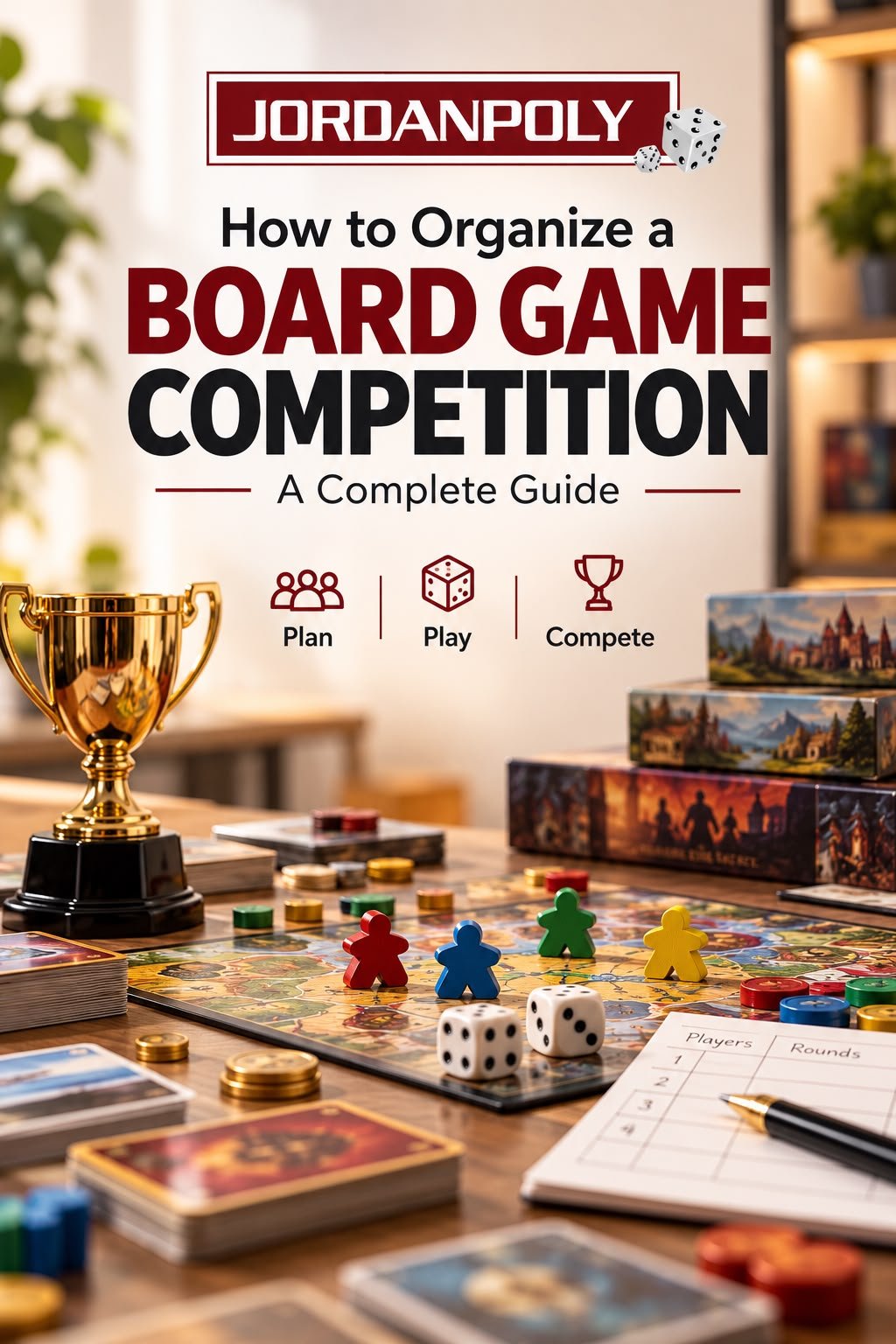
A board game competition can turn an ordinary game night into an exciting shared experience. It gives players a chance to test their skills, meet people who enjoy the same games, and experience friendly competition in a welcoming environment. Whether you are planning a small gathering at home, a community event, a school activity, or a larger gaming event, thoughtful organization helps everyone focus on what matters most: having fun and playing fairly.
Successful competitions do not require a huge venue or an expensive setup. They need a clear plan, games that suit the participants, easy-to-understand rules, a fair scoring system, and someone who can keep the event moving. This guide explains how to organize a board game competition step by step, from choosing the format to announcing the winner.
1. Define the Purpose and Audience
Start by deciding what kind of experience you want to create. Is the competition mainly for friends and families, experienced hobby gamers, children, or a mixed group of participants? The answer affects almost every other decision, including the games, event length, rules, and atmosphere.
For a casual family event, prioritize simple rules, short rounds, and a relaxed schedule. For experienced players, you may choose games with more strategic depth and a more structured competitive format. If children are participating, consider age recommendations, reading requirements, and whether adults should help explain the rules. For a community or public event, make sure the venue is accessible and that the registration process clearly explains what participants should expect.
Set one or two measurable goals, such as welcoming new players, encouraging social interaction, introducing a particular game, or running a smooth competition for a specific number of participants. A clear purpose makes planning easier and helps you decide which details are essential.
2. Choose the Right Game or Games
The choice of game is one of the most important competition decisions. A good competition game should have rules that can be explained clearly, a manageable playing time, and a reliable way to determine the result. Consider how many players can participate in one session, whether the game depends heavily on luck, and whether beginners can enjoy it alongside more experienced players.
Using one game throughout the competition makes scoring and scheduling simpler. It also gives everyone a shared challenge and makes the final result easier to compare. A multi-game competition can offer more variety, but it requires more tables, extra time for teaching rules, and a method for combining results across different games.
Before making a final choice, play a test round with a small group. Check whether the game consistently finishes within the planned time, whether its rules create confusing situations, and whether players can resolve common questions without long interruptions. If the game includes expansions or optional rules, decide in advance which version will be used. Avoid changing rules once the competition has begun unless a correction is essential and is applied consistently to everyone.
3. Estimate Attendance, Space, and Equipment
Create a realistic estimate of how many people will attend. Registration in advance helps you calculate the number of game copies, tables, chairs, score sheets, and volunteers required. If the event is open to walk-ins, decide how you will handle extra participants without disrupting the schedule.
Plan the layout so each table has enough room for the board, cards, pieces, drinks, and players’ personal space. Keep walkways clear and place registration, refreshments, and the results board where people can find them easily. Good lighting, comfortable seating, and a manageable noise level can make a long event much more enjoyable.
Prepare the equipment before participants arrive. Count the pieces, check that cards and rulebooks are present, and make sure each table has everything needed to start. Bring pens, spare paper, a visible clock or timer, and a printed copy of the rules. If the event uses several copies of the same game, confirm that they contain the same components and use the same rules.
4. Select a Competition Format
The format determines how players are grouped, how many rounds they play, and how the winner is decided. Choose one that matches the number of participants and the time available.
**Single elimination:** Players or teams are eliminated after a loss. This format is easy to understand and works well when time is limited, but participants may be eliminated after only one game.
**Round robin:** Every participant or team plays against every other participant or team in their group. It provides more playing opportunities and can produce a useful comparison of results, but it becomes time-consuming as attendance grows.
**Group stage followed by a final:** Participants play in smaller groups first, and the top players advance to a final round. This balances participation and event length, although it requires a clear method for deciding who advances.
**Points-based rounds:** Everyone plays a set number of rounds and earns points based on results. This can work well for events with many participants, particularly when the organizer uses a published scoring system and tie-break rules.
There is no universally best format. For a small first-time event, a simple bracket may be enough. For a larger event, group stages or points-based rounds can give more people a chance to play. Whatever format you choose, publish it before the first game begins.
5. Create Clear Rules and Scoring
Fairness depends on everyone understanding how the competition works. Share the rules before play begins, including the game version, match length, scoring method, behaviour expectations, and what happens if a player arrives late or leaves early. Explain whether players may consult the rulebook during a match and who will make a decision if a rule is disputed.
Keep scoring as simple as the game allows. A win-and-loss system may be enough for some games, while others may use points earned during play. If players can earn different scores in each round, decide how those scores will be combined. Write the system down so participants can check it themselves.
Tie-breaks should never be invented at the end of the competition. Choose them in advance—for example, a head-to-head result where appropriate, a published game-specific tie-break, or an additional short match if time permits. The best tie-break depends on the game, so avoid using a method that unfairly favours one playing style.
Also establish expectations for respectful conduct. Players should follow the rules, handle game components carefully, avoid distracting opponents, and accept the organizer’s decisions. A friendly event can still be competitive without becoming hostile.
6. Build a Realistic Schedule
Estimate how long each round will take, then add time for explaining rules, seating players, recording results, and resetting the game. A competition schedule that allows no transition time can quickly fall behind after a single delayed match.
Share a timetable that includes registration, a welcome and rules briefing, the start of each round, breaks, the final, and the award presentation. If match times vary, communicate how players will be informed when their table is ready. Use a visible schedule or results board so participants do not have to ask the organizer for every update.
Have a backup plan for delays. You might shorten a break, move a match to an available table, or use a pre-announced time limit where the game supports it. Avoid making rushed changes that affect only certain players. If an adjustment is necessary, explain it clearly and apply it fairly.
7. Register Players and Communicate Early
Registration should collect only the information needed to run the event, such as a participant’s name, contact details for event updates, and any relevant team or age-group information. Tell participants the date, location, start time, expected duration, game being played, competition format, entry requirements, and whether they need to bring anything.
Send a reminder before the event and explain what happens if someone can no longer attend. If the number of places is limited, confirm registration and maintain a waiting list. For children or youth events, communicate clearly with parents or guardians and follow the venue’s supervision and safety requirements.
On the day, check participants in and direct them to the correct area. Give late arrivals a clear point of contact and follow the published late-arrival policy rather than making decisions differently for different people.
8. Keep Results Accurate and Transparent
Choose one person to record results, even if several volunteers help run the event. Use a simple spreadsheet or printed score sheet with participant names, round numbers, match results, and total points. Ask players to confirm the result at the end of each match before it is recorded.
Update standings after each round and make them easy to view. Before announcing finalists, check the scores and apply the published tie-break procedure if needed. If a mistake is discovered, correct it transparently and tell the affected participants. Accurate records help prevent misunderstandings and protect trust in the competition.
9. Make the Experience Welcoming
A competition should feel exciting, not intimidating. Welcome beginners, explain unfamiliar terms, and make it clear that participants can ask questions before a match starts. If possible, provide a short demonstration table or practice round for anyone learning the game for the first time.
Small details improve the atmosphere: name labels, clear table signs, water, short breaks, and a friendly opening message. Volunteers can help with registration, rule questions, scorekeeping, and resetting games. Assign responsibilities before the event so the organizer is not trying to do everything at once.
Celebrate good sportsmanship as well as winning. Thank participants for respecting the rules, helping newcomers, and handling both victories and defeats graciously. Recognition does not have to be expensive; a certificate, small prize, or public thank-you can make the event feel special.
10. Prepare for Common Problems
Even well-planned events can face unexpected issues. A participant may arrive late, a game may take longer than expected, a component may be missing, or players may disagree about a rule. Preparing a few simple procedures can keep these problems from taking over the event.
Keep spare stationery and basic replacement supplies available, and check every game before the competition. Identify who will make final rule decisions and how disputes will be handled. If a game cannot continue because a component is missing or damaged, pause the match and apply a pre-decided replacement or rescheduling policy consistently.
Most importantly, stay calm and communicate. Participants are more likely to accept a delay or correction when they understand why it is happening and know what will happen next.
11. Review the Event and Improve Next Time
After the final match, take a few minutes to thank participants, announce results, and return borrowed equipment. If photographs are taken, get appropriate permission before sharing identifiable images, especially when children are involved.
Ask participants what worked well and what could be improved. Useful questions include whether the schedule felt realistic, whether the rules were clear, whether they had enough time to play, and whether they would join another event. Record attendance, timing, equipment needs, and any issues while the details are still fresh.
Use this feedback to improve the next competition. You might change the format, add a beginner-friendly session, choose a different game, or improve the registration process. Each event provides useful information that can make the next one smoother and more enjoyable.
Organizing a successful board game competition is about more than choosing a winner. It is about creating a fair, well-organized, and welcoming experience where people can enjoy competition and connect through play. Choose a suitable game, select a format that fits your group, publish clear rules, plan a realistic schedule, and keep accurate results. With preparation and a focus on good sportsmanship, a simple game gathering can become an event participants look forward to joining again.
Whether you are hosting a friendly competition at home or planning a larger community event, start with a manageable plan and improve it with each experience. The best competition is one where the rules are clear, everyone gets a fair chance, and the fun continues long after the final score is announced.








Leave A Comment